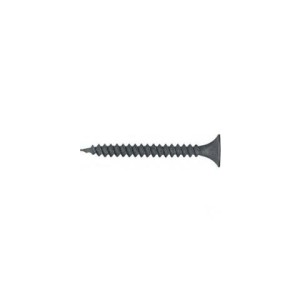
In this category, you will find the different screws for aluminum profiles
To assemble aluminium profiles, specific screws adapted to the grooves, often combined with special nuts (T-nuts, hammer nuts or slide nuts).
Types of screws and fastening systems
The choice of screw depends mainly on the type of profile and the groove (6 mm, 8 mm, etc.).
- Socket head cap screws (SHCS) : These are the most common screws for assembling profiles, often used with T-nuts or hammer nuts. They provide a robust and discreet fastening.
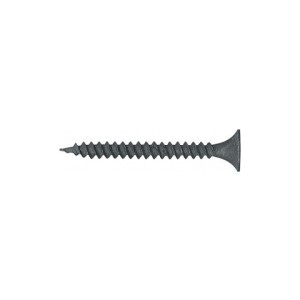
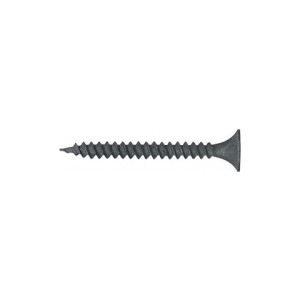
- Self-drilling/self-tapping screws : For direct fixings where you screw directly into aluminum without pre-drilling or tapping, self-tapping screws are an option. They make their way through the metal thanks to their sharp points.
- Stainless steel screws : To avoid galvanic corrosion (chemical reaction between two different metals), stainless steel screws (grades 304 or 316) are often recommended, especially in humid environments.
Additional accessories
Screws are almost always used with specific accessories for aluminum profiles:
- T-nuts (or hammer nuts) : These nuts fit into the groove of the profile and are positioned at 90 degrees to allow screwing, offering great flexibility to adjust the position of the fasteners.
- Calipers and templates : It is essential to measure the screw diameter and groove size (M4, M5, M6, M8) to ensure compatibility and secure fixing.
Product recommendations
Many manufacturers offer specific ranges of screws and nuts for their profile systems.
- Parketland aluminum profile screws (3x16 mm) : Ideal for a solid and discreet fixing, they offer an aesthetic finish for small carpentry work.
- Amazon T-bolt and nut kits : Complete kits are available for various systems (e.g., M8, 17x11 mm), often including an assortment of screws of different lengths and grooved stones.
- Alumi-Flex Elco screws : These high-performance fasteners are specifically designed for critical applications involving aluminum substrates, with an emphasis on corrosion resistance.
All you have to do now is choose your required lengths, sections and quantities!